12 Signs Your Tulsa Roof Needs Replacement, Not Repair
Some roofs need a patch. Some are done — and patching them is throwing money at a roof that's one storm from a full tear-off. Here are the 12 signs Tulsa roofers use to make that call.

Every week we walk roofs where the homeowner asks for a repair quote and the honest answer is: this roof is done. Not because we sell replacements — because patching a roof that's at the end of its life is paying twice. Here are the 12 signs we actually use on Tulsa-metro roofs to make the repair-or-replace call, grouped by where you can spot them.
Signs you can see from the ground
- Curling or cupping shingle edges.Shingle corners turning up (curling) or centers dishing (cupping) mean the asphalt has dried out and the mat is shrinking. There is no repair for this — it's material end-of-life, and it accelerates once it starts.
- Bald patches and heavy granule loss. Dark, shiny patches where the granule surface has worn through to the asphalt. Check your gutters and downspout splash zones — a layer of granules there after every rain means the roof is shedding its UV protection.
- Missing shingles after every wind event. One lost tab after a violent storm is damage. Tabs loosening in ordinary 40–50 mph Oklahoma gusts means the seal strips have failed roof-wide.
- A wavy or sagging roofline. Ridges and planes should be straight. Waviness usually means deck problems under the shingles — replacement territory, and worth addressing before it becomes structural.
- Multiple shingle colors from past patches. A quilt of mismatched patches means the roof has been limping for years. Each patch has different-aged seal strips, and the next storm finds the seams.
Signs you'll find up close
- Cracked or split shingles across multiple slopes. Isolated cracks get repaired. Cracking patterns repeated across the roof mean thermal aging — the whole surface is at the same point in its life.
- Hail bruises with mat fracture.Press a bruise gently: if it gives like a soft spot on an apple, the fiberglass mat underneath is fractured. Fractured mat lets water migrate under the surface — it's hidden damage that totals roofs. This is what hail damage inspections are really checking for.
- Exposed or lifting nails. Nail pops scattered across a roof mean the deck is moving or the shingles have lost grip. Each popped nail is a future leak.
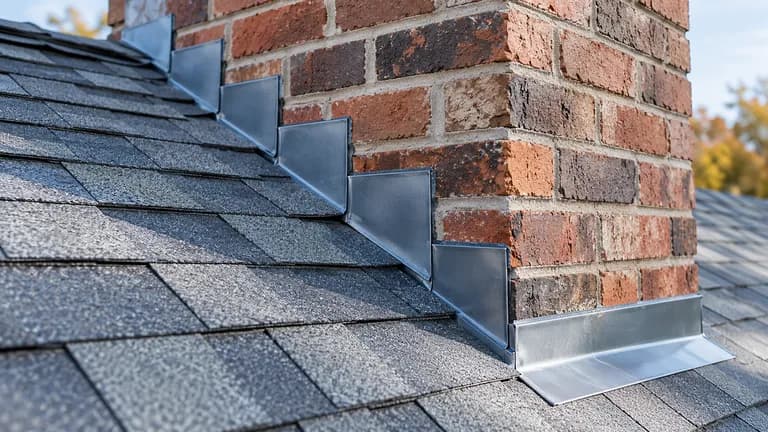
- Failing flashing at every penetration.One bad pipe boot is a small, contained fix. Cracked, rusted, or lifting flashing at chimney, valleys, and every vent means the roof's whole waterproofing layer is aging out together.
Signs from inside the house
- Ceiling stains that come back.A stain that returns after a “fixed” leak means water is traveling under shingles from somewhere else — classic end-of-life behavior. Our guide to hidden roof damage covers the full checklist.
- Daylight or moisture in the attic. Pinholes of light through the deck, damp insulation, or mold smell after rain — the roof is failing at the deck level, not the shingle level.
- The age math simply doesn't work.Standard architectural shingles last 18–22 years in Tulsa. If your roof is in that window and needs any meaningful repair, the repair money is better spent as the first dollar of a replacement — especially if the roof already has recent storm damage that isn't going to get better on its own.
What to do next
If you counted three or more signs, the next step is a professional inspection with a written report — it settles whether you're looking at a repair or a replacement, and gives you a documented picture of the roof's condition either way. If replacement is the answer, that's also the moment to look at the Class 4 impact-resistant upgrade— it's only ever worth doing at replacement time, and in Tulsa it usually pays for itself. Start with our roof replacement page or call for an inspection.