Wind Damage from Tulsa Tornadoes: The Roof Damage You Can't See
You don't need a direct tornado hit to suffer tornado-grade roof damage. The straight-line winds and spin-up gusts around a Tulsa funnel often do more damage than the funnel itself.

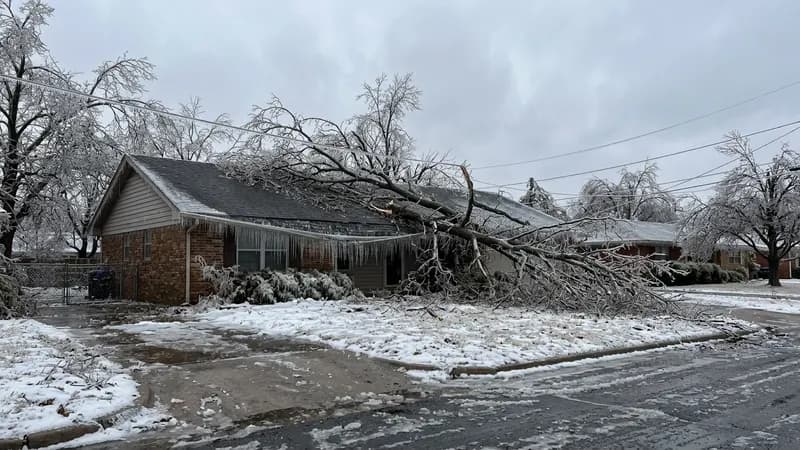
Tornado damage in Tulsa rarely looks the way Hollywood depicts it. Most homes damaged by a Tulsa tornado weren't directly hit by the funnel — they were damaged by the straight-line winds, spin-up gusts, and debris field that surround every tornadic system. Understanding the actual damage profile of a Tulsa tornado event is the difference between a thoroughly documented roof and one that hides most of its real damage until a leak appears.
The Tulsa tornado reality
Tulsa sits at the heart of Tornado Alley. The metro has documented EF-0 through EF-4 tornadoes in modern recordkeeping. Annual tornado averages: 5–10 confirmed tornadoes across the metro per year, most rated EF-0 to EF-2.
For the full process after a severe storm, see storm damage roof replacement in Tulsa.
Recent significant events:
- March 2015 — Sand Springs EF-2. Most recent major metro impact. Significant residential damage in the EF-2 track and adjacent wind-field area.
- October 2017 — Northwest Tulsa EF-2. Damaged homes across the Dawson and Skiatook areas.
- April 2024 — Multiple metro touchdowns. EF-1 to EF-2 tornadoes across the broader metro produced significant wind-field damage even where direct tornadic damage was limited.
- March 2026 — Wind storm system. Not a confirmed tornado, but straight-line wind damage across much of the metro that produced tornado-grade local damage in specific corridors.
What tornado damage actually looks like
Direct tornadic damage (within the funnel track) is unmistakable — homes are leveled, roofs torn off in large sections, structural damage everywhere. These cases are rare and unambiguous; the damage speaks for itself.
Wind-field damage (surrounding the funnel track) is where most tornado-related roof damage actually happens, and where most of the documentation challenges arise. Wind-field damage typically includes:
- Lifted shingles. 70–100 mph straight-line winds around the funnel break shingle sealant strips. The shingles look intact but their wind resistance is compromised.
- Missing shingles in linear patterns. Following the wind direction of the system, often along a single elevation of the roof.
- Torn or missing flashing. Around chimneys, pipes, valleys. Wind catches the flashing edges.
- Damaged ridge caps. The most wind-exposed area of the roof, almost always damaged in significant wind events.
- Debris-driven damage. Branches, sheet metal, lawn furniture, even neighbors' roofing materials become projectiles. Each projectile that hits a roof potentially damages the shingles, deck, or both.
- Structural shifting. Sustained 80+ mph winds can shift attachments, loosen fascia, separate guttering. Sometimes the structural shifting is the most expensive damage even though it's the least obvious.
- Skylight and chimney damage. Wind-driven debris and pressure differentials damage skylights and chimney caps with regularity.
Why wind-field damage is easy to miss
The damage around a tornado is deceptive in three ways:
- It's often on one elevation only. The wind field hits from a single direction, so the storm-facing slope can be badly compromised while the rest of the roof looks untouched from the street.
- Broken seals look like nothing. A shingle whose sealant strip snapped in an 80-mph gust sits flat and looks fine — until the next strong wind peels it back and water gets underneath.
- The worst damage is structural, not cosmetic.Loosened fascia, pulled sheathing nails, and shifted attachments don't show from the ground but can be the most consequential — and the most expensive — damage of all.
The post-tornado inspection methodology
After confirmed tornado activity in or near your area, the inspection process needs to be more thorough than for typical wind events. Six steps:
- Walk every slope.Wind damage from tornadic systems doesn't respect cardinal direction. Damage on a single elevation isn't the full picture.
- Pull-test every shingle area. Broken sealant strips are the most common tornado damage and are invisible from below.
- Inspect ridge caps individually. Wind catches the caps first; damage here often signals broader damage on the slopes below.
- Document collateral. Bent gutters, damaged vent caps, torn fascia, twisted satellite dishes. All of it.
- Check structural attachments. Fascia separating from rafter tails, gutters pulling away from fascia, sheathing nail-pulls visible from attic.
- Attic inspection. Look up at the deck from underneath. Daylight, water staining, displaced insulation all signal hidden damage.
The matching question for partial wind damage
Wind damage often affects parts of a roof rather than the whole roof. That raises a practical repair question: if the wind damaged the west slope but spared the east, can you get away with a partial repair?
Usually not cleanly. Shingle lines get discontinued and colors weather, so on a roof more than a few years old, new shingles rarely match the old ones across a slope or an adjoining slope. A visible patch in mismatched shingles is obvious from the street and rarely seals as well as the original — so partial wind damage on an aged roof typically means at least a full-slope replacement, and often a full-roof replacement, to keep the roof uniform and watertight.
A practical example: a 2024 tornado-adjacent home
After the April 2024 tornado events, we inspected a home in north Tulsa that hadn't been directly hit by any funnel. The closest funnel track passed about 1.2 miles north of the home. The owner thought they had been spared.
Our inspection found:
- 12 shingles with broken sealant strips on the north slope (storm-direction)
- 3 missing shingles along the north ridge line
- Damaged ridge cap along about 40% of the peak
- Torn flashing on the north chimney
- Bent gutter sections along the north elevation
- A satellite dish mount that had separated from the fascia
- Daylight visible from the attic through compromised areas
Total project: full-roof replacement, given the cross-slope damage extent and the impossibility of matching the aged shingles. The home wasn't hit by the tornado, but the wind field damaged it in ways the homeowner hadn't noticed until inspection.
Why timing matters more for tornado damage
Two reasons to get a tornado-adjacent roof inspected even faster than a typical hail-damaged one:
- Damage compounds fast.A broken seal or a lifted shingle that's fine today lets water in during the very next storm — and tornado systems in Tulsa often arrive in clusters, not one-offs.
- Evidence connection to the event. Tornado events are well-documented (NWS, news media, social media). Documenting damage against a specific funnel track or wind field is easier while the storm is fresh; harder months later.
If you live in an area that experienced confirmed tornado activity recently — direct hit or wind-field exposure — the inspection produces a clear, documented picture of the roof's condition. Call us before hidden wind-field damage becomes a leak.