Roof Color and Tulsa Heat: Does a Lighter Roof Really Run Cooler?
Color is mostly about looks, but in a Tulsa August it also changes how hot the roof runs. Here is how much it matters.
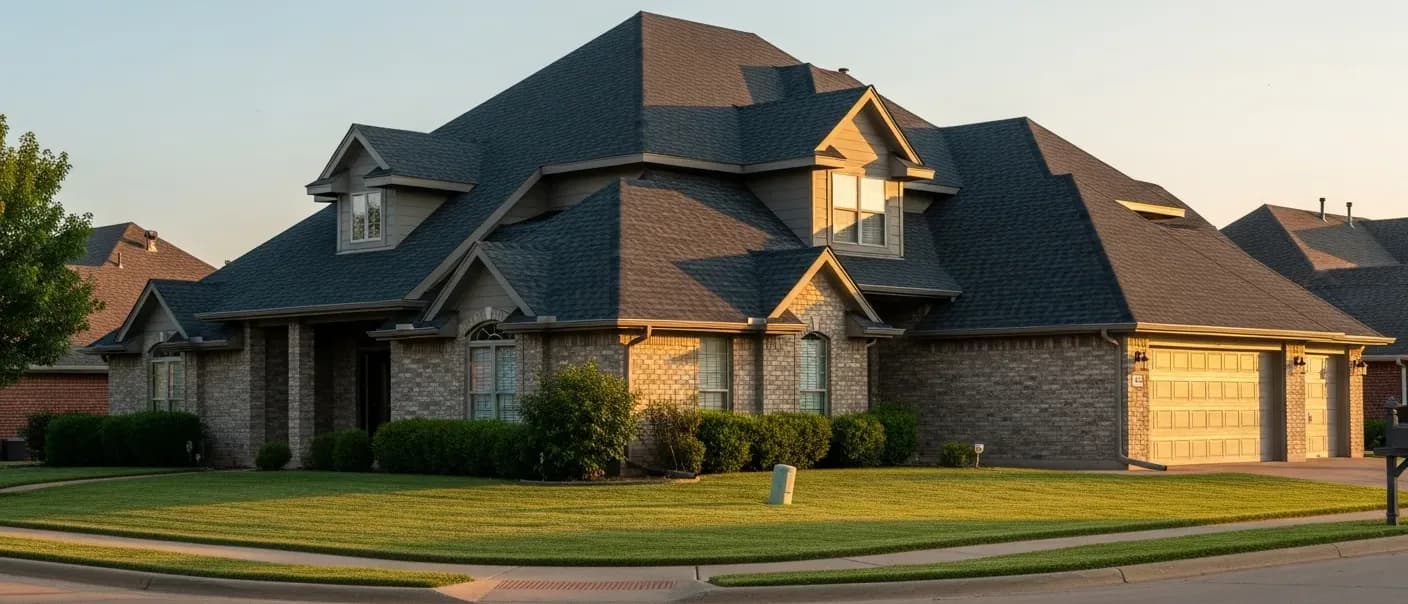
Shingle color is usually the first thing a Tulsa homeowner thinks about and the last thing the roofer brings up. It is mostly a question of looks, but in a city where July and August afternoons routinely pass 95°F, color also changes how hot the roof runs.
How Color Changes Roof Temperature
Sunlight that hits a roof is either reflected or absorbed. Absorbed energy becomes heat. Dark shingles absorb more, so on a clear summer afternoon a charcoal or black roof surface can run noticeably hotter than a light gray or tan one sitting in the same sun.
That heat matters in two places. It soaks down through the deck into the attic, where it adds load on the air conditioning. And it ages the shingles themselves, because heat drives off the oils that keep asphalt flexible. That is one of the reasons Tulsa roofs age faster than roofs in milder climates.
Cool Roof Shingles
Several shingle makers now produce lines with reflective granules that bounce back more of the sun's energy while still looking like ordinary gray, brown or tan shingles. The CRRC, an independent industry body, publishes a product directory with solar reflectance and thermal emittance figures, which is the place to compare products on facts rather than marketing.
Reflective shingles are usually offered in lighter colors. Deep blacks and charcoals rarely reach high reflectance values.
What Else Should Drive the Choice
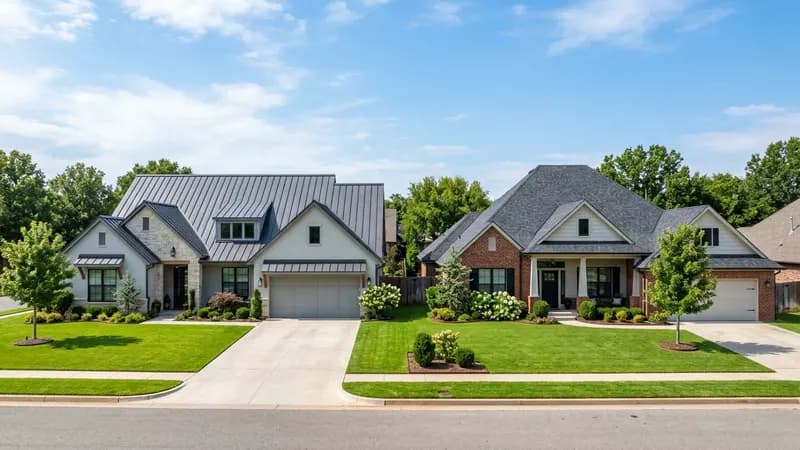
Your house and street. Red brick ranches in Midtown and South Tulsa often look right with weathered wood, brown or charcoal tones. Newer stone-and-brick homes in Bixby and Jenks lean toward charcoal and driftwood shades. Look at houses near you that you like.
Your HOA. Many subdivisions in the Tulsa suburbs limit roof colors or require approval. See HOA approval for a new roof.
Hail. Impact resistance has nothing to do with color. If you are replacing after a storm, decide first whether you want Class 4 impact-resistant shingles, then choose a color within that line.
Granule loss shows differently. On very dark shingles, bare spots from age or hail stand out sharply. Blended colors hide minor wear better.
How to Choose Without Regret
- Ask for full-size sample boards, not a brochure chip, and look at them outside in morning and afternoon light.
- Drive past a finished roof in the same color. A whole roof reads darker or lighter than a sample.
- If heat is a concern, ask for the solar reflectance figure of each color you are considering.
- Confirm the ridge caps and starter strip come from the same product line so the color matches.
For a wider look at shingle and metal options for this climate, see roofing materials for Tulsa's climate.