New Roof Final Walkthrough in Tulsa: The Homeowner Checklist for Closing the Project
A completed roof and a closed project are different checkpoints. Review the agreed scope, records, and property condition without climbing onto the roof.
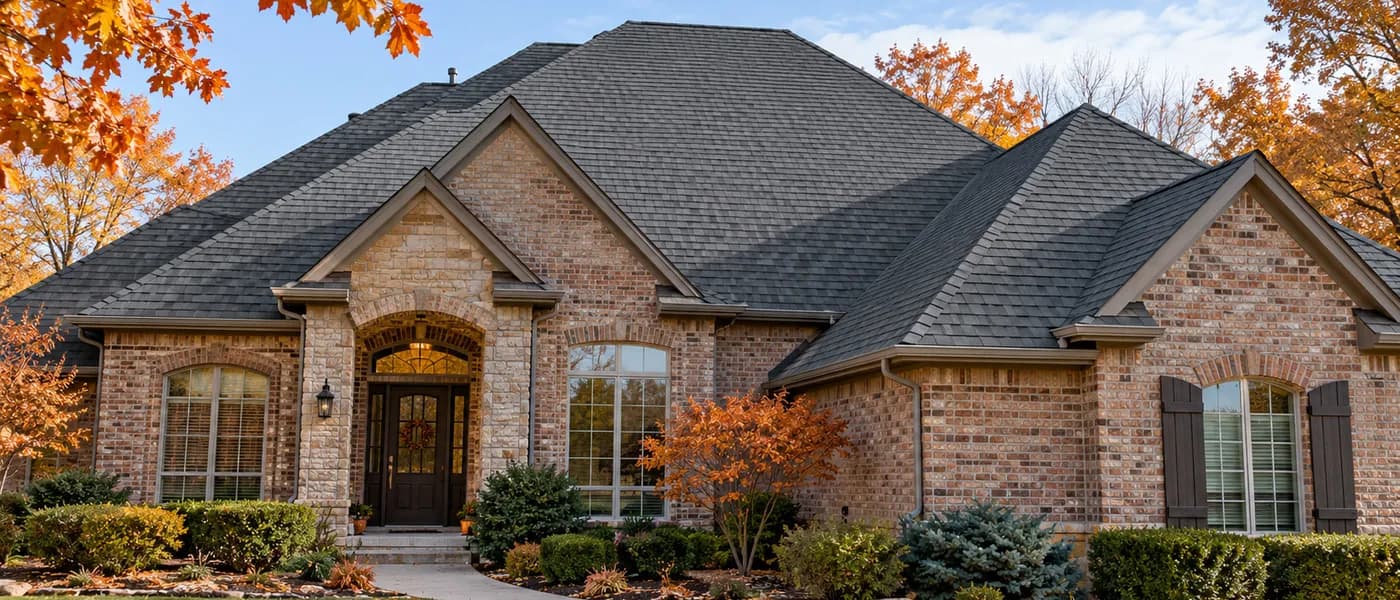
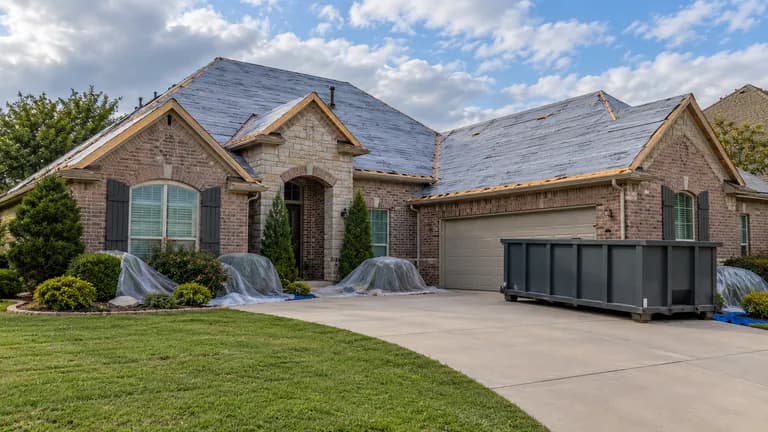
The crew has finished, the container is leaving, and your Tulsa home has a new roof. Before treating the project as closed, review the work against the scope and collect the records that explain what was installed.
This walkthrough is a homeowner's review of documentation and safely accessible property areas. It does not replace the contractor's installation assessment or any inspection required for your project. Stay on the ground and ask the provider to supply rooftop evidence.
Start with the signed scope
Bring the proposal, approved changes, and questions from the initial assessment. Work through each roof section and item described. Check that additions, porches, and detached structures are accounted for according to the agreed scope.
If a material or component changed during the project, ask where that decision is recorded. A verbal explanation after completion is harder to trace than a photograph and approval made while the work was underway. The scope checklist shows the records to establish before installation.
Confirm the installed system
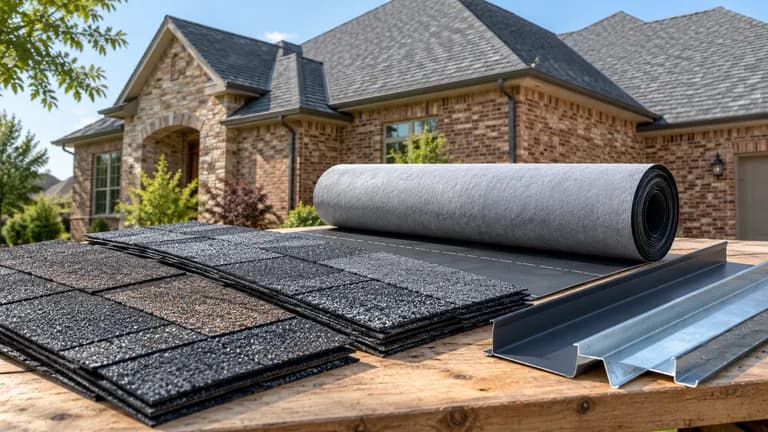
Ask for the product identification and project records agreed with the provider. They should identify the roof covering and relevant supporting components clearly enough to distinguish what was installed from what was merely discussed.
- Roof covering product and color.
- Underlayment and edge components included in the scope.
- Ventilation work completed.
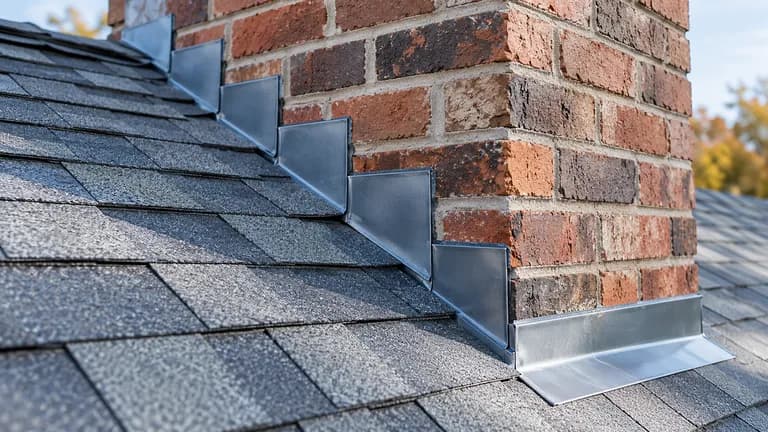
- Flashing and penetration details addressed.
- Deck findings and any authorized changes.
GAF's homeowner resources describe roof replacement as a system process. Use the contractor's project-specific records to confirm that process for your house rather than relying on a general brochure.
Review photographs of concealed details
A finished roof photograph is useful, but it may not show deck condition or the sequence of junction work. Request the installation photographs you agreed on before the project. Ask the contractor to explain which roof location each photograph shows.
If an expected photograph is missing, ask what other record supports that item. A missing image does not prove incorrect work; treat it as a documentation question to resolve.
The flashing checklist identifies junctions worth discussing. The contractor should assess installation details that cannot be evaluated safely from the ground.
Walk the agreed property areas
When the contractor says the area is safe, review the driveway, paths, yard, planting areas, and any protected exterior features. Compare the condition with photographs taken before delivery. Ask about remaining material or debris while the project contact is present.
Keep children and pets out of the work area until the installer explains the cleanup status. Do not assume a cleared driveway means every yard area has been checked. The preparation guide helps define those areas before work begins.
Resolve approvals and inspections for the actual address
Ask the contractor which project approvals or inspections were required and request the relevant records. Verify them for the property with the appropriate authority when necessary. A mailing address or a neighbor's project does not establish your approval process.
If an inspection or document is still pending, record who is responsible and how you will be notified. Pending work belongs on the closing list. It should not disappear because the installation crew has moved to another house.
Put open questions in one written list
List each unresolved item with its location, the question, and any supporting photograph. Send it through the contractor's agreed project contact. Ask who will respond and what the next step is, without inventing a completion date the provider has not agreed to.
Keep the description factual: leftover material by the gate, an undocumented product substitution, or a missing inspection record. Specific observations are easier to resolve than a broad statement that the project feels unfinished.
Keep a small project folder
- Signed scope and approved changes.
- Product and installation records.
- Photographs of significant stages and findings.
- Applicable approval or inspection documents.
- The final open-item list and provider contact.
This folder is useful when another trade works near the roof or when you need to explain the installation history later. It is a record of the actual project, not a promise about future performance.
If you are planning a new residential roof or full replacement, call Tulsa Roofing Pro to discuss the project with a participating provider. Ask about the completion records and walkthrough while setting the scope. Provider participation, appointments, and project plans vary.
Questions homeowners ask
Should I climb onto the roof for the final walkthrough?
No. Review safely accessible areas and ask the contractor for rooftop photographs and their installation assessment.
What records should I keep after a roof replacement?
Keep the scope, approved changes, product records, installation photographs, applicable approvals, and the provider contact.
What if an inspection or project item is still pending?
Record the item, responsible contact, and agreed next step in writing. Ask the provider how completion will be communicated.