Planning a New Roof in Tulsa: The Scope Checklist to Read Before You Sign
Two proposals can describe very different roof systems. Compare what will actually be installed and documented, from the deck to the final walkthrough.
A proposal that says only new shingles leaves too many decisions unanswered. A Tulsa roof replacement involves the supporting deck, water-shedding details, ventilation, and the way the contractor handles discoveries during tear-off. The written scope should tell you what is included before work starts.
This checklist is for homeowners planning a full residential roof replacement or new installation. Use it to compare the work described by each provider, rather than choosing from a brand name and a short sales pitch.
Identify the exact property and roof areas
Confirm that the proposal identifies the address and every roof section included. A house, attached garage, porch, and detached structure do not automatically belong to the same scope. If a low-slope section uses a different system, ask the contractor to describe it separately.
A Tulsa mailing address also does not answer every project question. Ask the contractor to confirm the authority and any property-specific approvals for your address. The existing permit planning guide gives context; verify requirements for your actual project rather than copying an assumption from another neighborhood.
Specify the removal and deck assessment
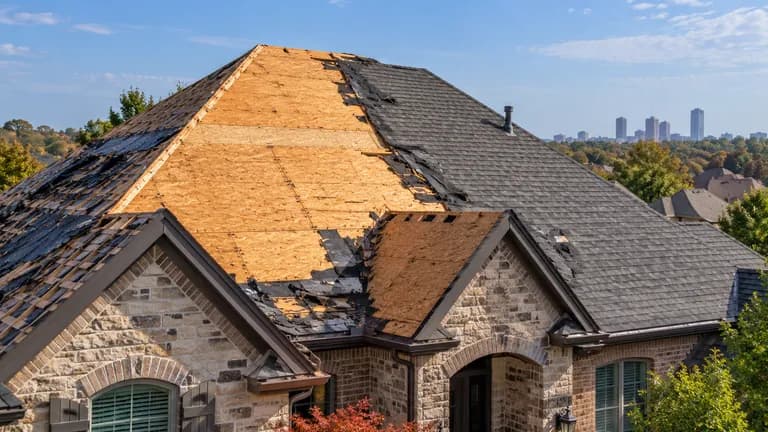
Ask whether existing layers will be removed and how the exposed deck will be assessed. If concealed deterioration is found, the proposal should explain who documents it, who approves added work, and how the decision is communicated before it is covered.
- Existing roof sections and layers included in removal.
- Deck inspection and documentation after exposure.
- The process for findings that were not visible beforehand.
- Who can authorize a scope change.
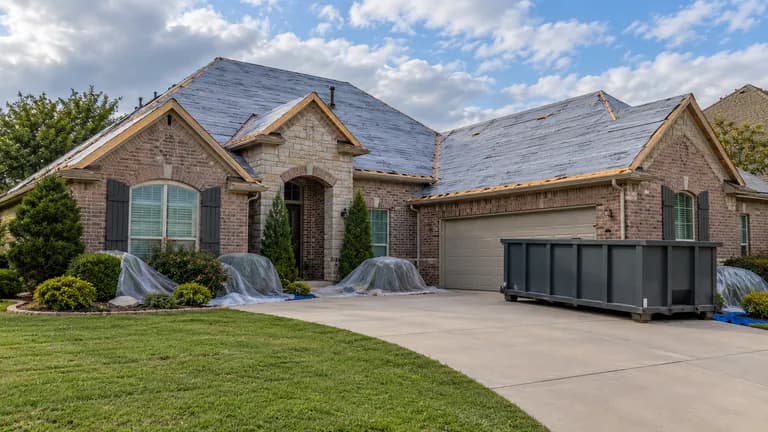
- How the exposed house will be protected during the work.
Read the system description beyond the shingle
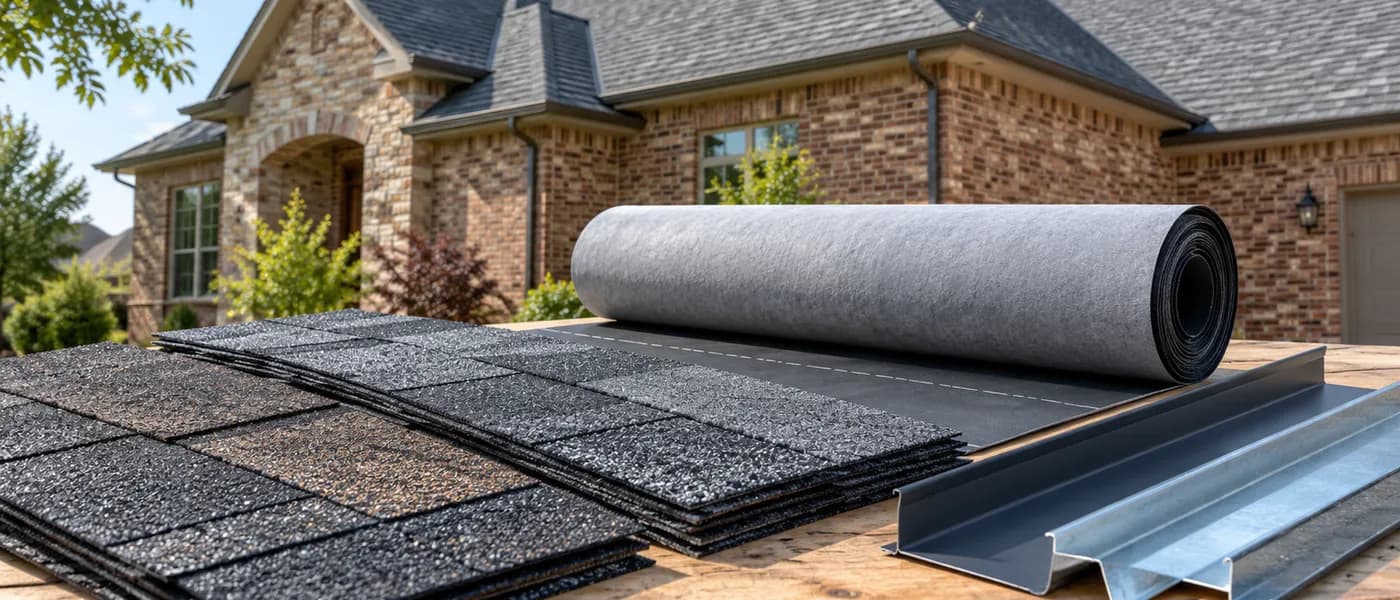
Ask for the proposed shingle product, underlayment, edge details, ridge components, and ventilation approach. A material name should correspond to the actual product being delivered, not an informal description such as architectural upgrade.
GAF's installation overview describes deck assessment and water-shedding layers as part of the roof sequence. Product instructions matter; ask the installer which instructions govern the system selected for your home.
Make flashing a named part of the proposal
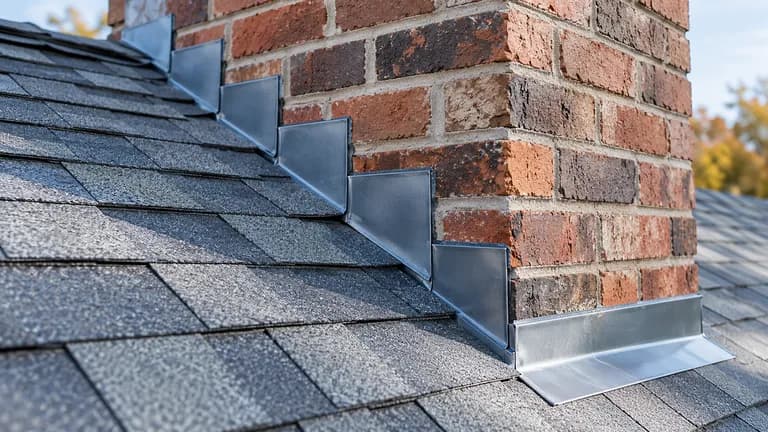
List chimneys, wall intersections, valleys, penetrations, and skylights present on your roof. Ask which metal details will be replaced, which may be retained after assessment, and why. If a contractor simply says flashing as needed, ask for enough detail to know what that means at your house.
Our flashing replacement checklist covers those junctions. The goal is not to specify a design yourself. It is to make sure the provider has accounted for the roof you actually own.
Clarify ventilation and access limits
Ask whether attic intake and exhaust will be assessed together. Note any attic areas that cannot be accessed, finished spaces that limit inspection, or exhaust ducts the roofer wants another trade to evaluate. An unanswered condition should appear in the scope rather than disappear behind a general statement.
The existing Tulsa ventilation guide explains the components. For the proposal, ask for the contractor's specific assessment and plan, not a universal instruction to add another vent.
Agree on property protection and communication
Ask where deliveries and the debris container will go, which doors remain accessible, and who is the homeowner's contact during installation. Include protection for shrubs, fragile exterior items, and areas where people normally walk.
The proposal should also explain cleanup, removal of leftover material, and the final walkthrough. Read our home preparation checklist before delivery so those decisions are made while there is still room to change them.
Use a short clarification list before signing
- Which roof sections and materials are included?
- What is the deck-discovery approval process?
- Which flashing and ventilation details are specified?
- Who handles property access and protection?
- What records and walkthrough will close the project?
Ask each provider to answer the same questions in writing. If one proposal leaves a major item open, request clarification before treating the proposals as equivalent.
Call Tulsa Roofing Pro to discuss a new roof or full replacement with a participating provider. Have the address, roof sections, and your scope questions ready. Provider participation and scheduling vary; the property's assessment determines the proposed work.
Questions homeowners ask
What should a roof replacement proposal include?
Ask for roof areas, removal, deck assessment, materials, flashing, ventilation, change approvals, property protection, cleanup, and completion records.
Should hidden deck damage be covered in the scope?
The proposal should explain how unexpected findings are documented and how added work is authorized before it is concealed.
Does Tulsa Roofing Pro offer small roof fixes?
The service connection described here is for new residential roof installation and full roof replacement. Discuss your project scope with the participating provider.