Roof Flashing During a Tulsa Replacement: Details to Ask About Before Installation
Shingles cover the large areas. Junctions need their own plan. Make chimney, wall, and penetration details explicit in your full replacement scope.
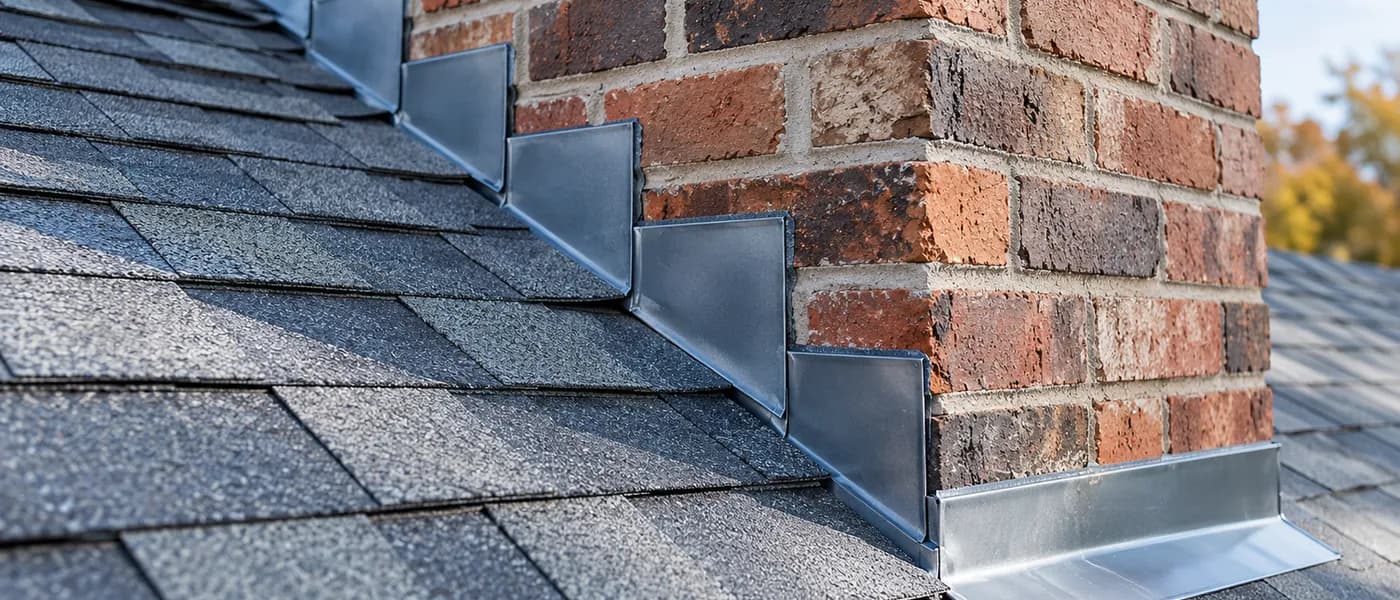
When you look at a new roof proposal, the shingle product is usually easy to find. The plan for the places where the roof meets a wall, chimney, or pipe can be much harder to identify. Those junctions deserve explicit attention during a full Tulsa roof replacement.
Flashing is the material and detailing used to direct water at roof intersections. This guide helps homeowners ask about the scope. It is not a rooftop installation tutorial or a reason to climb up to inspect metalwork yourself.
List the junctions on your particular roof
From the ground and existing photographs, identify the roof features the contractor should account for. A simple rectangular roof and a home with intersecting rooflines do not have the same detailing needs.
- Chimneys and other masonry junctions.
- Roof-to-wall intersections beside upper stories or dormers.
- Valleys where roof planes meet.
- Plumbing and other roof penetrations.
- Skylights and product-specific junctions.
Ask the installer to confirm the list during assessment. Homeowners do not need to name every piece correctly; the contractor should be able to identify each location and explain how it enters the scope.
Ask what will be replaced and what may be retained
Existing metal is not automatically suitable just because it remains visible. Ask which components will be replaced and which are subject to condition assessment. If retention is proposed, ask what condition and compatibility checks support it.
For concealed pieces, the decision may depend on findings after tear-off. The proposal should say how those findings will be documented and how you will approve a change before the area is covered. See the new-roof scope checklist for the wider approval process.
Understand why sequencing matters
GAF's flashing technical bulletin emphasizes proper flashing techniques and the relationship between junction components. Ask the contractor to follow the applicable instructions for the system and materials selected.
The homeowner's question is straightforward: how do the roof layers and junction details work together to shed water? If the explanation reduces the whole junction to a bead of sealant, ask the contractor to show the intended detail and the relevant instruction.
Give chimneys and wall intersections their own scope line
At masonry, roof detailing and masonry condition may require different assessments. Ask who identifies deteriorated adjacent material and whether another trade is needed. A roof replacement proposal should not silently imply that all chimney work is included.
At wall intersections, ask how access to the relevant components will be handled. Siding, trim, and existing layers can affect that process. If part of the detail remains concealed, request that the limitation and next step appear in the record.
Include penetrations and skylights
Ask the installer to identify penetrations that will stay and any that will be removed. Confirm how the selected roof system interfaces with them. If a skylight remains, ask whether its condition and flashing system are compatible with the replacement plan.
The manufacturer's rooftop accessory overview describes components used around roof openings. It does not establish that a particular accessory is suitable for your roof; the installer should explain that selection.
Request photographs before details are concealed
Ask which installation photographs will be shared and when. Useful records identify the junction and show the stage of work clearly. A distant photograph of a completed roof may not reveal how a now-covered detail was assembled.
Make the documentation request before installation. It is much easier to obtain a photograph while the crew is working at the detail than to reconstruct the evidence after completion.
What to review at the end
- Each listed junction was addressed in the scope.
- Any retained components have a documented reason.
- Unexpected findings and decisions were recorded.
- Product-specific or adjacent-trade limitations were explained.
- The homeowner received agreed photographs and project records.
Use the final walkthrough checklist for the rest of the project. Keep ground-level inspection separate from installation assessment by the contractor.
Call Tulsa Roofing Pro to discuss a full residential roof replacement with a participating provider. Mention chimneys, wall junctions, skylights, and other features when describing the property. Scope and scheduling depend on the assessment and provider availability.
Questions homeowners ask
Is new flashing automatically included with new shingles?
Do not assume it. Ask the provider to identify replacement and retention decisions for each junction in the written scope.
Can I check roof flashing from the ground?
Ground photographs can help identify roof features, but they do not replace an installation assessment. Do not climb onto the roof to follow this checklist.
What flashing records should I request?
Ask for location-specific photographs, retention decisions, and documentation of findings before junction details are concealed.